Wild Mustard IV

The carpet of green brush and jungle emerged from the clouds like a crocodile surfacing from the water. The topography of the Central American country ranged from flat farm fields and banana plantations to the jagged steeps of mountains and volcanoes.  I couldn’t remember even having seen so much green.

I cleared customs and found the restroom. Caught my reflection in the mirror: my red hair pulled back with a green scarf, Mom’s abalone necklace over the red-ribboned key, the long strap of the duffel bag slung across my body diagonally. The weight of Mom and Dad rested against my thigh. I shut my eyes to the image. Possible. Possible. Possible, I tweaked my old mantra. I opened my eyes, looked at myself in the mirror—“You can do this,” I pep-talked myself.

Pete had helped me make arrangements to travel down the Pacuare river, which is where I thought I needed to head. I couldn’t be sure, of course, because Mom and Dad had left no directions, no treasure map. Not one note in Mom’s Costa Rica journal to indicate just where “our beach” sat. I’d have to rely on memory alone, which often proved to have faulty wiring.

When I got off the bus in Bataan, the narrow, dusty street of a town, I met a lanky gringo wearing galoshes. “Boat’s gonna leave in two hours,” he said. Pete, part Sherlock, part Jack Sparrow, part Skype extrodinaire, coerced the guy into giving me a ride down the river. The accented man ran a volunteer organization down the beach where I thought I needed to head. “You’re welcome to have lunch with us at the soda,” he offered.  I declined, opting instead, to scour the mercado, if you could call a three-aisle store a market, to supply my two-night camping trip on the beach.

Down one row necklaces hung off a peg-board. Tiny glass bottles, the length of a large paper clip, were strung onto pieces of leather. “Costa Rica,” it read across the glass, and held a pinch of sand inside. I could…yes…I pulled one off the rack. Took my Oreos, pasta and necklace and paid for them at the register. On my way to the soda where the volunteers ate lunch, I popped the cork off the top of the glass vial and emptied the sand along the street. Rain began to flood from the sky.

In the small, unlit room where the mujer of the restaurant had stored my bags, I took the key from around my neck and unlocked the blue and brown bag. I pulled the white plastic bag from inside, untapped and unwound its tail. Slowly, I pinched fingerfuls of ash into the tiny bottle. Two more pinches from each plastic baggie, and, satisified that I had both Mom and Dad, replaced the cork, zipped up the bags and blew the remaining ashes from the lip of the bottle. I tied it around my neck and put my hand to my chest. I must have looked absurd, three “necklaces”—a key, a piece of abalone and now a glass vial—hanging from my neck. At least now, despite truncated memory, I would always have a last piece of my parents.

The boat arrived some forty minutes later, and I loaded myself in with the volunteers, trying to avoid conversation. They were all questions and giggles, eager to reach their destination, a sea turtle sanctuary. I chewed on my nails, then stopped myself and tapped my cheek bone instead, which was as satisfying as saying “dang it” when you really mean “fuck.” I don’t know why I had let Jodi convince me that I should stop biting my fingernails.

We cruised through paper-thin channels of the Pacuare River, at some points so narrow that I was not sure our rusted boat would make the winding turns. Long arching tree limbs from opposite banks met overhead, lacing together a canopy. Mangrove roots twisted around each other, pierced into the brackish water, the jimmy-rigged engine drowning any calling birds. My body tingled. What if this wasn’t the right place? I scoured the shoreline for familiar—trees? What was it I hoped to recognize?

I tried to remember coursing down this same river with my parents a decade and a half earlier, but it was as if all important memories of my parents—the shooting, how to get to the beach—had sloughed off like mottled snake skin.

A volunteer with a Scandanavian accent turned towards me. “First time to Costa Rica?” she asked, her wet arm pressing into mine as the boat navigated an elbow in the river.

“No,” I lied. I smiled, weakly and looked ahead again. I could not possibly make small chat at a time like this.

Around another dogleg river turn, and there he was, the wind waffling through his linen shirt, singing “Oh Happy Day,” as Miguel charted us down the river. Mom had clapped in time, hadn’t she? She must have. She had always clapped when Dad sang, her bangles clinking together like a tambourine. Maybe I was headed in the right direction after all. Maybe there was hope. I pinched the glass vile necklace, and it made me think of Aunt Karen, the way she was always clutching her crucifix. Rubbing it, like a talisman. I got it. I needed that kind of mojo right now.

The boat arrived at a sloping hill of mud, and a gaggle of gringos, muddied feet and mosquito-bitten legs, met us at water’s edge. In assembly line fashion, they began unloading the boat, the sacks of rice and beans that would sustain them for the next week.

“I’ll take…my…stuff,” I said, as a tall guy in board shorts heaved my pack overhead. “I’m not going to the project.”

“Not going to the project?”  he asked in a British accent. “Where else you going to go? But there’s nothing else around here!” He laughed.

“To the beach?” It came out as a question. I could feel my freckles flush.

The leader who had arranged my boat ride came to my aid. “Place you’re lookin’ for is just over that hill and down the road to your right about a mile. Beach’ll be on your left.” He limped up the hill, taking a drag on a cigarette.

Mud clung to my shoes as I navigated up from the boat. Several houses, lifted off the ground and perched amongst the palm trees, dotted the road. Their paint peeled, their windows, shattered or gone. Emaciated cows grazed in an unfenced field. I walked for what I guessed was a mile, then found a section of tall grass trampled down. I headed for the sound of waves crashing, and in seconds, transcended from jungle to beach.

It lay before me—the beach I had come to with my parents? I looked up and down at the coastline. Fine tan sand blanketed the beach and molded under my feet. Washed up tree limbs and shells and flip-flops of all shapes and colors hunkered in the brush along the thickets. Trash of all kinds: plastic cups and cardboard boxes and cassette tapes, littered the shoreline of the heavily-trafficked Caribbean coast. I’d read many times that drug smuggling boats tossed everything and anything overboard, especially when la policia chased after them. A few yards down the beach, turkey vultures pecked at the carcass of a tortoise.

The sea was a muddy brown the first hundred feet or so; on top of the ocean blue sky layered into the canvas of the horizon. Storm clouds crouched where the world dropped off. It reeked of salt and seaweed. I placed my pack on the sand and sat in front of it, leaned against it. My parents sat in the divot of my crossed legs. In all my dreams, this was not how I remembered it. In all my foresight, this was not how I pictured it.

I had come to the wrong place. All that god damned traveling and begging for a boat ride for this shitty beach. Not even the right one. Tears fell onto the sand between my knees. This stupid, ugly beach with a dead animal and god, it was so ugly and brown.

“How could you have let me stray so far off track?”

I spoke to my parents often, mused and muttered of days gone by and maps of future plans made. Sometimes they took longer to arrive than others—I imagined they were out exploring a continent not found on any of my dog-eared atlases. They’d always come, though. I knew they were there when my breathing slowed and the feedback in my brain settled into white noise. I still spoke to them out loud, mostly because I wasn’t sure if they heard me the way I heard them—a ratta-tap-tap and words, sentences, monologues, dialogues, played out completely in my head.

I pushed the bag from between my legs; didn’t even wait for them to respond. Didn’t listen for their side of the story. Couldn’t quiet my head enough to hear any white noise anyway, even if they wanted to join the conversation. “I’m doing this for you, and you’re not even helping!” From the ocean, wind, like a Kansas tornado. Strands of red frizz whipping in my mouth. I zipped up my rain jacket, pulled the hood down further. Drops of rain slid over the brim and dropped on my lap.

How could I have been so stupid? Why did I ever think this was going to work? How could they think I could do this alone? Why hadn’t they left me a map or directions or one stupid thing that would get me to the right place? Why did they have to be scattered in Costa Rica? What about Butterfly Beach in Santa Barbara? What about our old backyard? Now I was stuck for another two days before I could catch the boat back to the shit-hole of Bataan, and I wouldn’t even be able to scatter their ashes.

And of course, more rain. Pelting, saturating, god damn rain. I stood up, kicked the duffle bag and went to pitch my tent. I flung the poles out, chucked two of the stakes as far as I could down the beach. The wind inflated my tent, pulling another stake out of the sand. Flaps and zippers thrashed against the nylon. Once erected, I slouched in the corner of the tent, barely tall enough for me to sit up straight in, and sulked in my wet clothes.

I spent the entire rainy day in the tent and ate every last Oreo while the brown and blue duffle bag gathered a pool of water outside.

A pancake of an ivory moon ascended. As I rewound the day, the noises of the jungle behind and the ocean in front crescendoed. From behind, there was the…rustle of trees? A paca hunting? I’d read that jaguars still lived here. Could it be one? And I was alone on a blackened beach. Alone.

More rustling. The wind had yet to die down. Where was that noise coming from? In the thickets behind me? Poachers? The ocean crashed and I surveyed the flimsy fabric walls of my tent, undulating with the air. What protection did I have from anything or anyone besides DEET? A scratching noise seemed to come from my tent. I thought I saw my tent shake. This crappy beach! Was it the wind? More scratching.

I had to do something other than stare at the darkened top of my tent. I wriggled out of my sleeping bag. The tent moved again, this time noticeably. What the hell? Hands shaking, I found my Swiss Army knife, opened it, and grabbed my little cooking pot. I unzipped the tent. Opal-topped waves crashed in front of me. My head craned to the side. Nothing. No one. Nowhere. Miles of moonlit beach. The tent shimmied a third time. It was windy, but—

And then I saw them. Four at first, black masses lurching down the beach. The moon barely illuminating the pearl-stringed ridges contouring their backs. This isn’t real, I thought, knife and pot still in hand, mesmorized. I ducked back into my tent, traded my weapons for my headlamp, turned it on, unstaked the corner of my tent from the sand. Sure enough, scratching their way out from the depths of the sand worked a nest of baby tortugas.

The sand teemed with flippers, heads and shells. I counted thirty-six turtles heaving themselves out of the sand, some already heading toward the whitecaps of the ocean. Their long flippers endlessly moving. Some eeked left, others right; a few made a perfect beeline for the waves.

The turtles were the size of my fist and strong as oxen. They had pointed heads and as their flippers oared, their little bodies lifted up, scooched forward, and plopped down. Each turtle left tracks in his wake, a series of small divots that looked like a child had driven his Tonka truck down the beach. Waves crashed on the sand, greeted them. Several were picked up and swept into the dark ocean. A few were washed back up the beach. But one by one, each turtle breached the sand beneath my tent, lurched toward the ocean and plunged into the salty waters, the beginning of their hundred-plus year journey. I watched the story unfold while holding the corner of my tent up, darting my light from the tent to the beach. I followed the complete journey of seven turtles, my head slowly moving down the beach like a satellite in the night sky, tracked only by the progression of my light. I couldn’t move for twenty minutes while the turtles found life and ocean. I remembered what my mother had written about instinct: “With no one else around, in the dead of night, baby turtles will follow Mother Nature’s instinct every time. Humans, with all their power and manipulation, don’t have to help them in the least. Deep in their marrow, they just know.”

And so did I. This was it! This was my beach! How else could I have landed on top of a turtle’s nest? Between surf and sky, on this litter-filled beach, stood spirit. For all the fretting I had done about how and when to let go of my parents, the moment unfolded itself, quickly as a spool of ribbon falling down the stairs. I plopped the tent back in its place and unlocked, then unzipped the saturated duffle bag.

The tide nibbled at my toes, and I inched myself into the water. My jeans clung to me like chewing gum, and I held my parents. I imagined the babies flitting through the water, pulsing down and out in the current. I reached into the bags and grabbed fistfuls of grainy ash. It clung to my fingers and edged under my nails. I pitched them forward, handful by handful into that dark ocean topped by the milky moon. A breeze from across the ocean and the ashes flew back into my face, scuttled their way into my tear ducts and sprinkled in my hair. I felt them coat my teeth; they tasted of soot and burned rubber. They flew back at me, despite my hurling them away. I imagined them landing on the rippled shells of the tortugas, a free ride to the deep sanctuary of the ocean.

We spent several minutes like that, the ashes and I, in a silent argument about which direction they would head. I had kept some for myself, I knew, and when the bag was nearly empty, I scoured the corners with my nail, scooping up any last bits of ash. I opened my mouth this time, when the night breeze blew the ashes toward me. I welcomed them in every crevice of my being.  I backed up a few feet, dragging the bags behind me in the water. And because I was already wet, and because when I was ten I had seen my mother do it without hesitation, I, too, sat in the breakers, cross-legged, and let the pulse of the ocean wash over me. The smell of salt filled my nose as I inhaled deeply.

I expected an overwhelming sense of relief. A degree of accomplishment. I expected the sky to open and some ethereal being, if not my parents themselves, to boom out, to tell me they were proud of me, job well done, pat on the back. At least the usual chatter of their voices I heard when I listened close enough. Instead, what I discovered sitting in the salty Caribbean ocean just as my mother had years ago was that like her, I sat absolutely, positively empty-handed—lost. “Something in me wanted to create and protect and nurture,” she’d said, repeated, turned into a creed.

But before I could contemplate that, my memory, and the ocean I sat in, pulled back as the water does before a tsunami hits. And it crashed upon me then—a fragmented wave of memory, eight years lost:

In front of me, a blonde girl in a pink shirt. Holding onto a man’s hand. Skipping. Her hair bungeeing up and down her back. A little boy on the man’s other hand. Dark brown hair. I finish my cotton candy. Dad taps my head with his paper cone. The girl in front of me skips. Laughs. Dad laughs. “More cotton candy, Peacock?”

A wave crashed, pushing me shoreward, salt in my mouth, water up to my shoulders.

I pushed myself upright. There! The girl. That day. It was here—the memory was here! At the beach, in the ocean with my parents. I would sit here all night. I would see them. Feel them. Remember their last words. Remember how I’d tried to save them. Surely, I’d tried to save them.

Mouth full of salt. Hair tangled in seaweed. Toes pruned. The moon, kissing the horizon. The stars, twinkling au revrior. And yet.

And yet. Nothing. That was it. The only shard of memory.

Come back, I willed. I’m here. I’m willing. Come back.

Then I whispered it to the ocean: “I’m here, come back. I’ll be okay with it, however it happened.” To the waves: “Come back. Just a piece, a bit of memory. Please.”

Then I screamed it at the sinking moon: “What the fuck! Why won’t you come back? Why won’t you come back to me?”

By the time I finally dragged myself from the ocean, I couldn’t tell if I was pleading for my memory or my parents.

Outside the tent, I spat salt from my mouth, stripped out of my wet clothes and threw them in a pile on the sand. That one little piece of shit memory was all I was going to get. Naked, my skin withered like a raisin and gritty with the sea, I crawled into the tent and plowed through my pack. Surely I’d brought some booze. Shirts and sports bras and toothpaste flew around me as I dug and dug. Hadn’t I packed that flask of bourbon? Where the hell was it? I wanted the rest of the memory so bad I could taste it. It tasted like salt. And if I couldn’t have that, well, damn it, I would drink it out of myself.

I pulled my birth control and my Pumas from my pack and heaved them out the tent flap. I looked up for just a split second to see where they had landed—and falling out of the back pocket of the wet jeans I’d been wearing, something white. How did that get my jeans pocket? I scrambled out of tent, pulled the out the saturated Polaroid of Summer Henty. The paper warped like a record left in the sun.

She had been there. Skipping. Younger in the photo than in my freshly retrieved memory. But still. I bored into her captured image, trying to coax more memory from that day. I could feel my body shivering, my bare skin exposed to the Caribbean wind. Think, Olivia, think. She was skipping. Dad asked about the cotton candy. What happened next? What?

“Just a piece! Something!” Not even the moon, who had already climbed down the ladder of the sky, answered me.

I fell asleep, photo still in my hands. Donna Henty in my dreams. Short blonde hair, a torn shirt. She crawled out of a broken eggshell on her hands and knees. Her mouth duct-taped shut. Scars across her torso. A fire crackled behind her, inching up to meet her. Rope dangled from her wrist. Oil-stained handprints reached up over her shoulder, crawling to her neck, black inky stains that would not yield to water. Loose skin hung from below her pale, icy eyes. She lifted an arm; loose skin there too, dangling like hung wet laundry. Her pointer finger extended and singled me out. A great wall of fire crawled toward her. She crawled toward me.

In the dream, my back pressed against a brick wall, the lumpy chinking scratched though my shirt. There was nowhere to go. I flung my body against the wall, scaled my hands up, felt her breath exhale over me. And from behind the brick wall came a desperate cry. I couldn’t see who it was, but my heart told me it was Summer; the Summer whose picture I clutched in my hands.

Had it been Summer’s picture and not the beach that offered up the scrap of memory?

Those bees, the ones that pinched in my stomach, the ones that colonized there upon learning of my parents’ death, swarmed inside.

Winter’s Last Stand

I’ve finally downloaded a season’s worth of photos.

This Winter I:

Baked the tastiest lasagna I have ever made.


Watched these kids lay the foundation for a Creative Writing Club.


Introduced Heather to frisbee golf and The Dark Lords


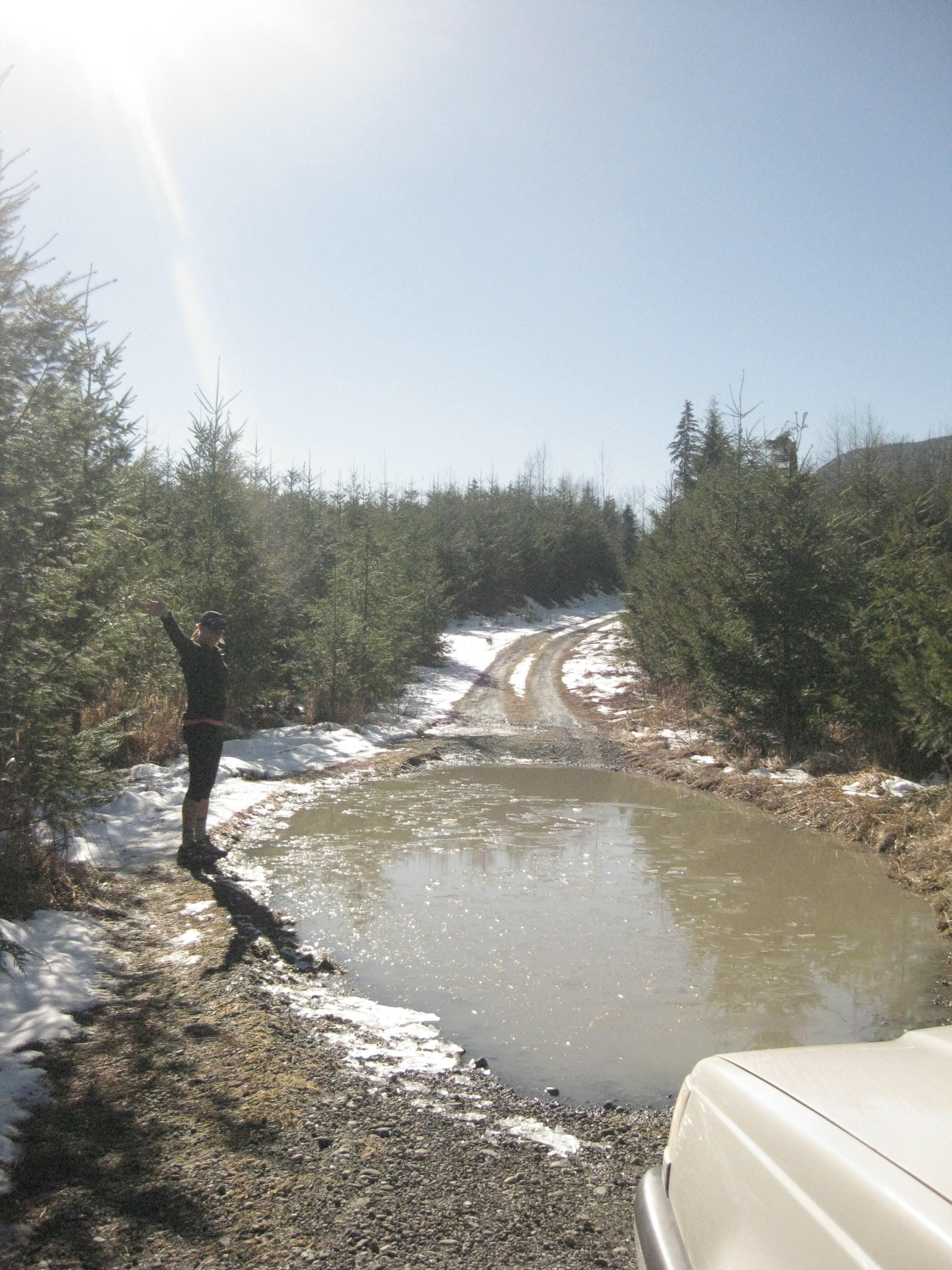
Coaxed Great White through this small pond.


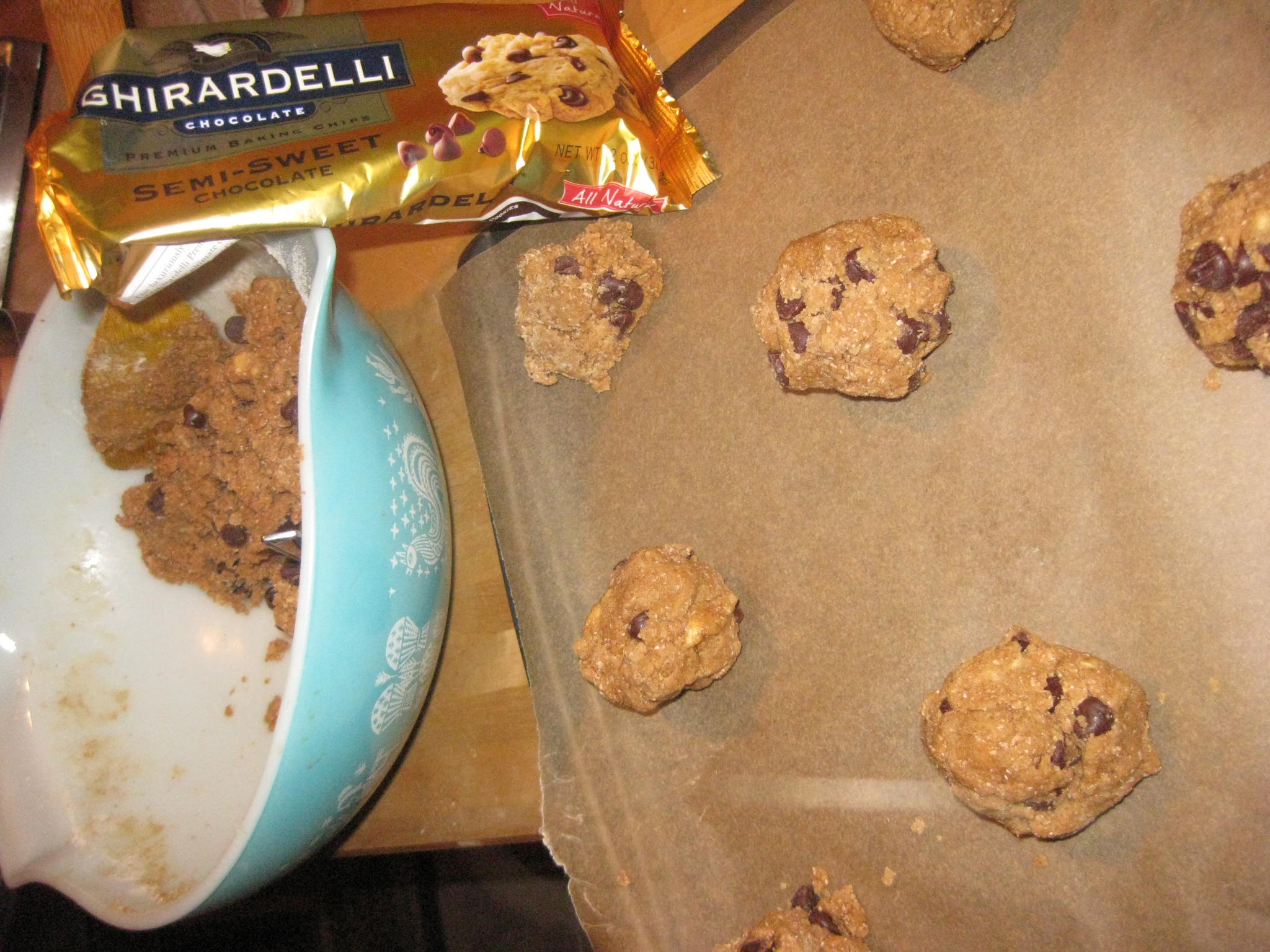
Made these cookies twice

(and I’m sure at least twice more by the end of the week).


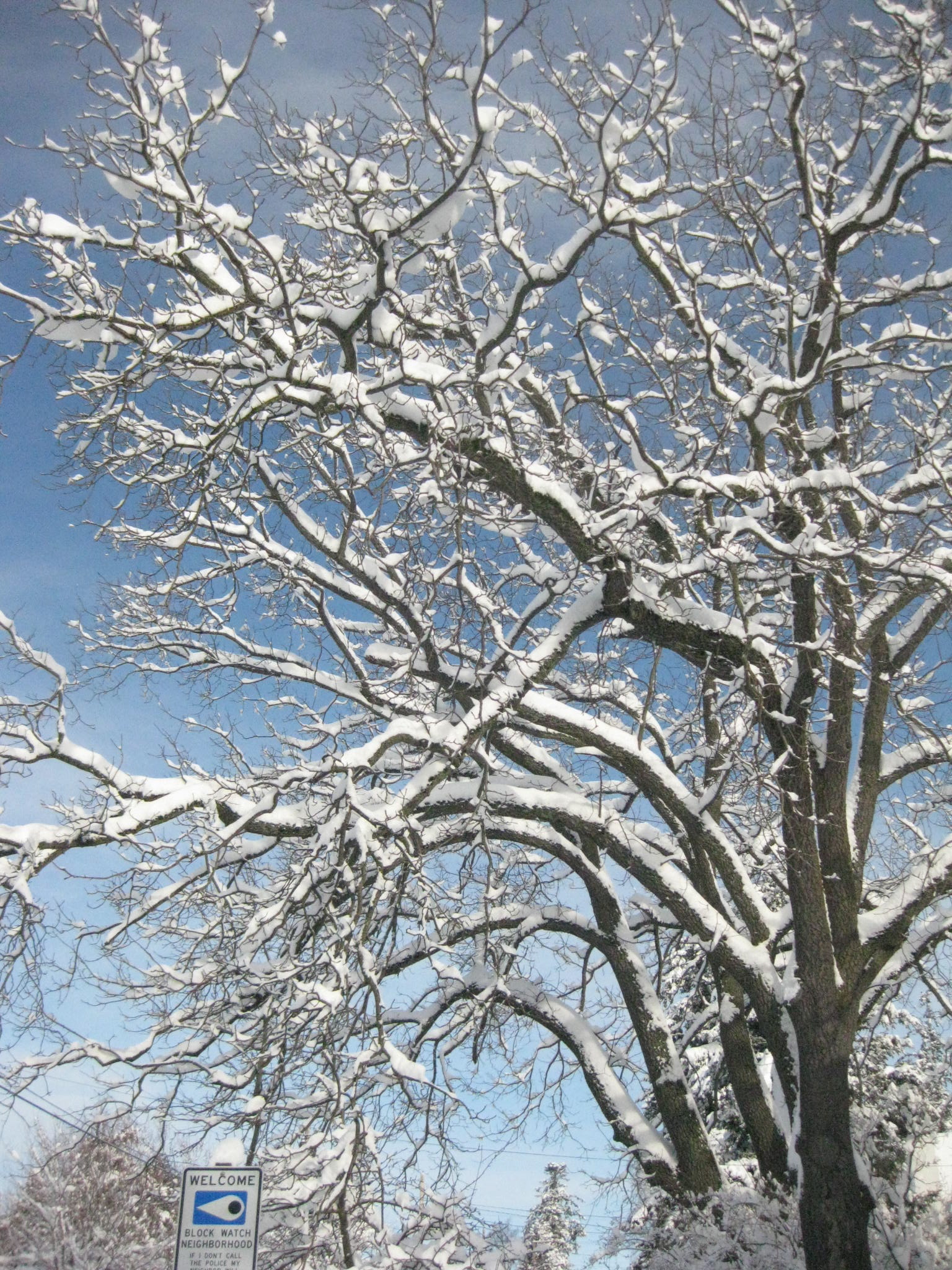
Watched snow gather.


Hung out with these wacky allusions.


Stalked this eagle.


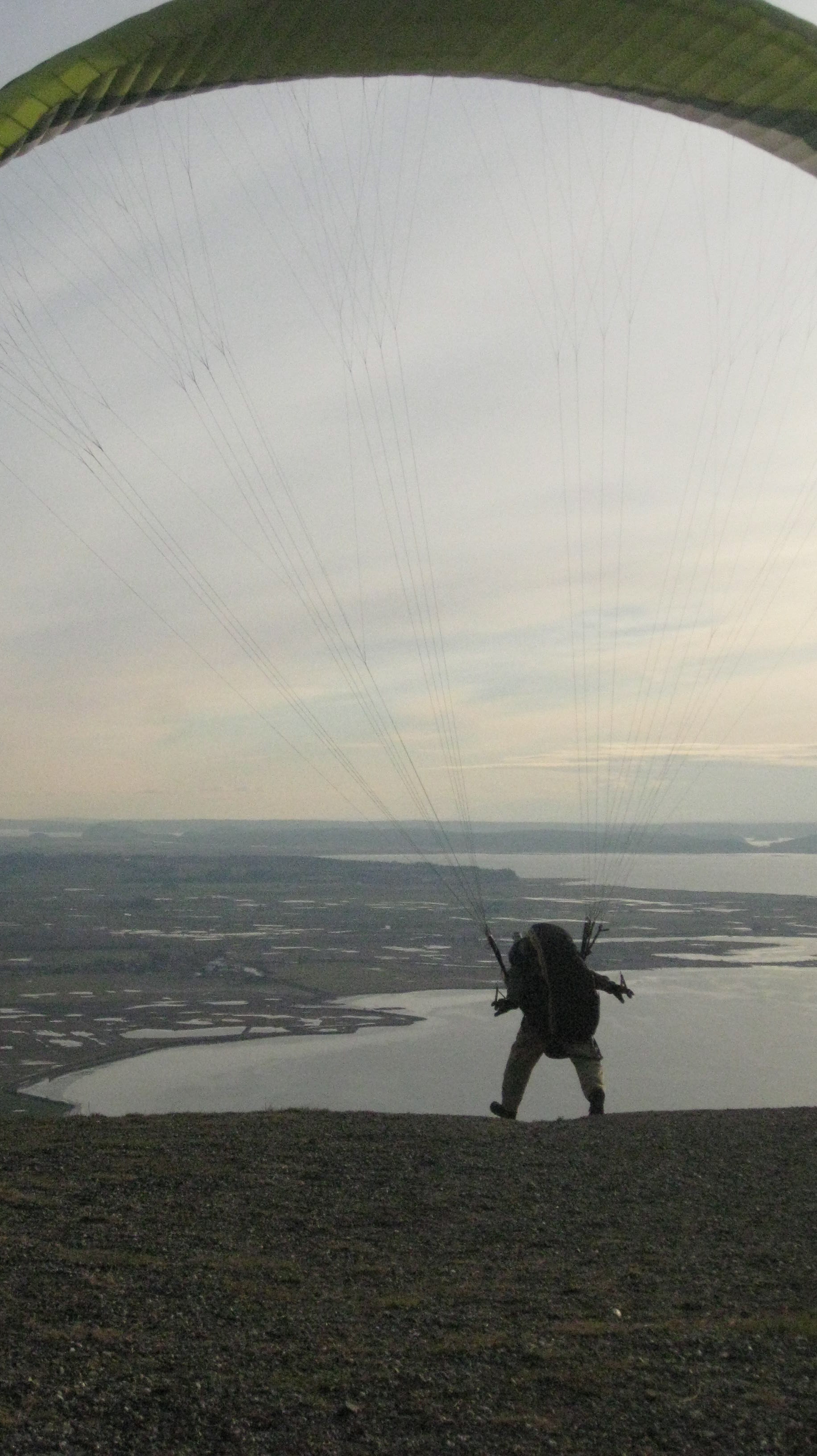
Watched man soar.


Waded in rain for rainbows.

Wild Mustard III

Need to catch up?

Prologue

I

II

“Read it.”

He position himself on the ledge of the tub:

Olivia,

Eight years have passed since that awful day. What can I say that I haven’t before? I am so sorry. I’m sorry. I’m sorry. I’m sorry. I’m sorry. I can’t say it enough. I try to picture your grown up face and how Summer must look. What does Summer think of me? What have you girls grown up to be without your mamas around? What have you girls become? And Elias who he would have been right now? Where would we all be now if I hadn’t done that terrible thing? Can’t go back I know that but I’d give anything to see what you two girls grown up. You two are the only living. Life isn’t easy in here, but it helps to think of you and Summer. I hope it doesn’t hurt anymore. You must still be angry and confused and I don’t blame you. I know I was foolish. I wish I could take it all back. I pray to God Almighty everyday for your forgiveness.

Sincerely,

Donna Henty

“God, Liv. Want me to burn it now?” He placed a hand on my knee. “I’m sorry. I shouldn’t have done that. I didn’t mean to and I don’t—”

I snatched the page from him. Reread it. Pete was still saying something, and the swarm in my stomach hummed loudly. Same words as that first letter. But Summer, her daughter, the one she had been trying to save.

What have you girls become?

You two are the only living.

And then, as I cradled my head in my hands, I spotted it sticking out of the forgotten white envelope.

I pulled the white edge out: a Polaroid. A girl, three or four, stood between a row of Ford trucks. She wore a yellow gingham dress that looked two sizes too small and four years too old. Long blonde hair waterfalled past her shoulders.

I flipped it over. In that same slanted, block writing that matched the envelope: Summer, 1984. I examined the image again, held it up close. My brain spun back all those years ago to the Ventura County Fair. Nothing. Nothing as usual. Not a single shred of memory. No last giggle from my parents, no last picture-perfect image of the happy Simpson family. Despite years of therapy, I couldn’t fashion a thread—or even a frayed end—about the events of that day, my fifteenth birthday. What had Mom worn? Who paid to get into the fair? Had we driven or ridden bikes? How much cotton candy did Dad eat? Every last recollection had been killed with my parents.

I stared again at the girl in gingham. If the newspapers were right, she had been in front of me when Donna shot. With her dad. I tried to envision her, to see her all those years ago: there would have been dirt ground, neon lights and grinding gears of carnival rides, the hawking of barkers, the smell of corn dogs. My therapist had said if I wanted to, I could place myself there; create it and plop myself in the scene. If I wanted to, she’d said.

***

I fell asleep in the valley of Pete’s chest. Twice, I sat upright in the dark of my room, that girl’s face—Summer—her long blonde hair, floating in the dreamy ether. Both times, I searched the shapes on the dresser for the urns. Still there. I’d look at them for a while, desperate to see that day rewound. What had they last said to me? Did they whisper “I love you” in their final moments? Did I try to save them as I’d wished for so many years? Had I cried? What did I—then my eyelids grew heavy again.

The day opened her sleepy eyes to July twenty-sixth. Birds chirped outside my screened porch. I crawled out of bed, glanced at my backpack whose seams stretched, standing ready by the door. Pete had run out for bagels, and I took the opportunity to “pack” my parents. This was really happening. Not possible. My old mantra resurfaced.

The phrase was a leftover fragment from the first weeks, months, after my parents died. While Aunt Karen had spoken with lawyers, credit card companies and banks, I’d gone to the drugstore for a new Rand McNally atlas.  It only took me three afternoons to memorize all the countries and capitols in eastern Europe. Voila! Asia took a few hours. I’d dog-eared pages of places I’d convince Mom and Dad to write an article about next. I had learned how to sweep-row earlier that summer, so I’d ride my bike down to the boathouse, plant myself on the erg, pull on the long cord over and over and over until my hands cramped. My lower back, hands and brain grew numb and calloused. I did a mass cleaning of my room, tossed out my collection of twenty-two snow globes from around the world. “Good riddance” Mom would say when she got back. “Now you have room for real treasures,” she’d wink, one emerald eye dim for a half second. I talked about my parents as though they were coming home in three weeks instead of three lifetimes. The calendar sprouted black Sharpied numbers counting the days my parents had been gone: one, two, three, nine, twenty-six, thirty-two…surely they would be back before school began. They were always back before school began.

September marched in; school loomed around the corner. My parents did not. At night, lying in their handcrafted wood and wrought iron bed, I would let my mind fumble with the idea that they might not come home. Not possible, I’d chant.

Day thirty-six. The phyllo-layers of persistent thought that Ken and Joanne Simpson were coming home flaked off one by one. For ten minutes, then thirty and finally sixty minutes at a time, I would repeat my manta: not possible, not possible, not possible. But it did not lull me to sleep anymore, and Mom’s concealer would no longer shade the shadows burgeoning under my eyes. School started on Monday, and if they did not show up—not possible—then I would die—not possible—I would set the house on fire—not possible—I would blame Karen—not possible—I would take a bath and never lift my head from the murky water. Not possible.

Sunday night I perched in their massive bed, knees pinned to my chest with my chin on top. Karen knocked on the door. “School tomorrow, honey. You gonna make it?” she asked through the door. Her voice, placating as usual. Day one of sophomore year at Santa Barbara High School.

Of course I would make it; why wouldn’t I? I didn’t answer, just flipped another page of Mom’s “Joberg” journal.

“Okay, well, let’s leave at 7:00. Do you need me to get you up?” I didn’t answer. She cracked the door.

“No thanks.”

Karen moved into the doorway, the light behind her emphasized her narrow frame. The hem of her purple robe gathered on the floor. She looked at the spread of the bed: sheets that had not been washed in over a month, calendar pages torn and circled, pictures strewn like wind-tossed hair.

She came to the bed and sat down beside me, picked up a picture of my parents and me in Bombay. Her hand touched the crown of my head. “You guys had some wonderful times. I was always envious of the life you led.”

I stared at the picture until the three of us blurred together.

And then, with an exhale, Karen said, “They’re not coming home, honey. And I’m really sorry.”

Her fingers moved in my hair—they felt like ants creeping down my neck. My body shivered. The three of us separated in the picture.

“It’s okay if you don’t want to go to school tomorrow.” Her hand slid down my head to my shoulder; she rose and left the room. As Karen walked down the hall, I heard her soft cry coupled with her bedroom door creaking shut. I had perched atop my clippings, pecking at my mantra—not possible—and Monday morning had flow through the window without a hint of my parents.

My parents. I went to them. Pack them. Take them to Costa Rica. Unleash them into the world again.

I could count the number of times I’d touched the urns. My eyes held the two golden orbs for a minute. I’d never taken the lids off, never seen the ashes inside. The closest I’d come to feeling them was leafing through the ashes of a seagull I’d burned when I was sixteen. I’d cried into that pile of ashes, looking for remnants of life, wondering if Mom and Dad had burned the same way. Pictured some old man with gold rings raking through their ashes, through their bones.

The copper was cool, as usual. I pinched the knobby top of the lid, pinched and pulled and wiggled the close fitting top from its home. In the cavernous mouth of the urn sat my dad. I looked down at the gray shavings. This is my father. Dad. His body. They ground his bones. My eyes searched the ceiling. Help me do this, help me do this…Not possible…Dad. I grabbed the plastic bag and pulled it out of the container. A whole life in this baggie. I set it on the dresser.

Then Mom. And when the lid was released and the smell of things blackened reached my nose, I felt cool wet glide down my face. They were so similar in this muted state: the same rain-cloud color, the same quietitude, same mountainess masses. Three or four pounds of grey gristle. Three or four pounds of Mom. Not possible. Her laugh alone weighed a ton. And I pulled her out, too.

I grabbed both bags, cradled them like newborns against my chest and walked to my bed, where I had laid out a small blue and brown duffel bag. The bag lay unzipped, ready to swallow my parents, but not just yet. The cotton sheet wrinkled beneath me as I crawled up onto the massive bed. I lay down, curled around the bags, clutched them to me. No tears. No words. Just the three of us, quite, a great felled family tree.

When my breathing slowed, I got up and walked over to the blue and brown duffle bag. I had padded the nest of the bag with towels to ensure Mom and Dad didn’t jostle around too much. I held my breath as the zipper mashed its teeth shut. I had purchased a tiny gold key lock, secured its neck around the loop of the zipper tags; clicked it shut. Downstairs, in the junk drawer, I found a long piece of red ribbon and laced it through the keyhole. I tied it around my neck, where it would stay until I found our beach.

I tossed my crisp blue passport on my bed. Unstamped. I had tossed my old passport not long after my parents’ death, sure that I would never have the courage to have the book stamped again. I took my ID, credit and ATM cards from my wallet, thumbed through the back for my emergency phone list.

And just after I finished a cinnamon raisin bagel with extra cream cheese, just after Pete asked, “Well, you ready, Camper?” Just after I made a pee stop and just before Pete tossed my pack in the bed of his truck, I ran upstairs. Swiped the picture of Summer off the bathroom floor, gingham and a grin, and shoved it in my wallet.

Star Hauling

The light of starry dreams can only be seen once we escape the blinding cities of disbelief.  ~Shawn Purvis

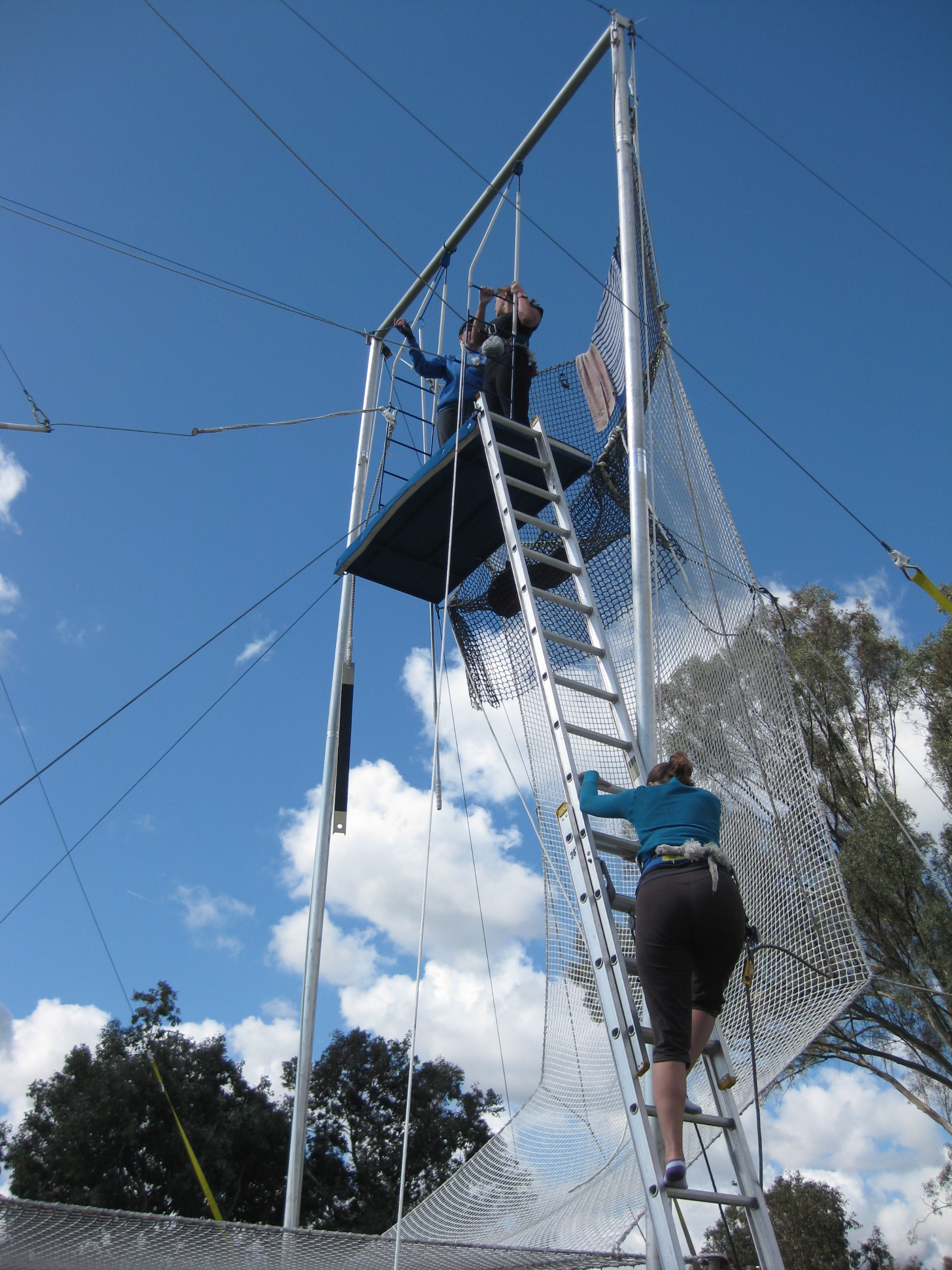
Last year, Heather, of Running With Heather, and I took a trapeze class. It’s been a life-long dream (or perhaps a past life) that I was involved with the circus. So without hesitation, I signed us up for a high-flying lesson.

my booty, scared as hell, at the bottom of one very tall ladder

The trapeze rig pushed high into a wind-blown blue sky and the ladder swayed like a tree trunk. The rungs to the top were wet and cold, and my first time up, I feared I would not make it to the top. Once at the top, I feared I could never grab the far-away bar. Once the bar was in hand, I feared I would never be able to leap from the platform.

Fast-forward to two months ago, January, when I posted what I wanted my Washington life to look like. Like I was going to shape the damn thing out of modeling clay and fire it in my oven along with my beets. Ha.

Guess what? I’m doing it. And last week I read this quote by Meg Keene: “When you look at someone and think, ‘Wow, their star is really rising!’ What you don’t know is that they are hauling up the star themselves, by hand.” So this is me, one rung further up the ladder, dragging my heavy-ass star over my shoulder, the extension cord waiting to be plugged in, the star, waiting to be illuminated.

If you’ve been here, you’ve seen Wild Mustard, in all of her awkward teenage glory. She’s got a bit of sprucing to do, but she and I are hitting a stride now. Whereas I–for three years, mind you–kept telling myself that I needed X number of days to just sit down and knock another revision out, I’m finding that my daily commitment and small publication portions eases my mental and time burdens. Little. Little successes.

In yoga, I have, for the first time in years, kicked up successfully into my handstand. Two weeks ago, I gloated with a grin while the blood rushed to my head. I kicked up again without fail. The following week, I’d lost my mojo again, and it was enough to make me curse in class. This week, I tried again. Voila! Up and away, there I went, accomplishing something that I thought for years was beyond me. I have tried this pose almost weekly for four years and failed every single time. Except these two. And again in the future, I’m sure.

And Heather, of Running with Heather? Well, we actually got to run together–in person! In Washington, no less! I’ll have the Running with Heather update soon to prove it–and this time, she’s not a figment of my imagination. I’m three miles into my five-nine range, and I’ve got my sights set on this series of trail runs. SD Ladies: I hate to say it, but read ’em and weep.

Also. Guess what? I can eek out five regular push-ups followed by twelve girly ones. Times three. Heather watched me in awe as my fingers pressed into my unvacuumed carpet. “Wow” she said. And meant it. She’s spent half a life trying to watch me push up.

And, I’ve mastered the art not of a stove-top espresso machine, but of a french press. Tony’s Carmelito coffee is so damn good, and my execution so near perfection, I want to make cups at night. But then I also want to sleep, so, there’s that little hiccup.

All these little shouts of minute success? It’s like the trapeze: I’d wanted to fly like that my whole life, but when the goal was literally in my hands, I froze. Freaked out. I could hardly  hear the instructions for the wind in my ears and the blood in my brain. I was supposed to jump when the instructor yelled “HUP!” but how the hell would I do that? I could hardly even make it up the ladder to the platform. But, I remember now, clear as that day was blue, how I forced one foot in front of the other, hand over hand, and exalted in tiny accomplishments: I made it half-way! I’m at the freaking TOP! I’m grabbing this heavy ass bar! I’m swinging with abandon. And even now, when I watch this video–yes, that is my circus act, perfecting a catch on my first try–it gives me goosebumps.

I’m going to watch it one last time. Then I’m going to hit my nasty brown carpet to grunt through some push-ups and work on a chapter of Wild Mustard. I’m scrambling up ladders, stars in tow.

Note: I couldn’t have done any of this without your lovely inspiration, dear readers and  fellow bloggies! Tell me, inspire me more: what little goals are you conquering? Into what sky are you hurling your stars?

Between the Pages: Operating Instructions

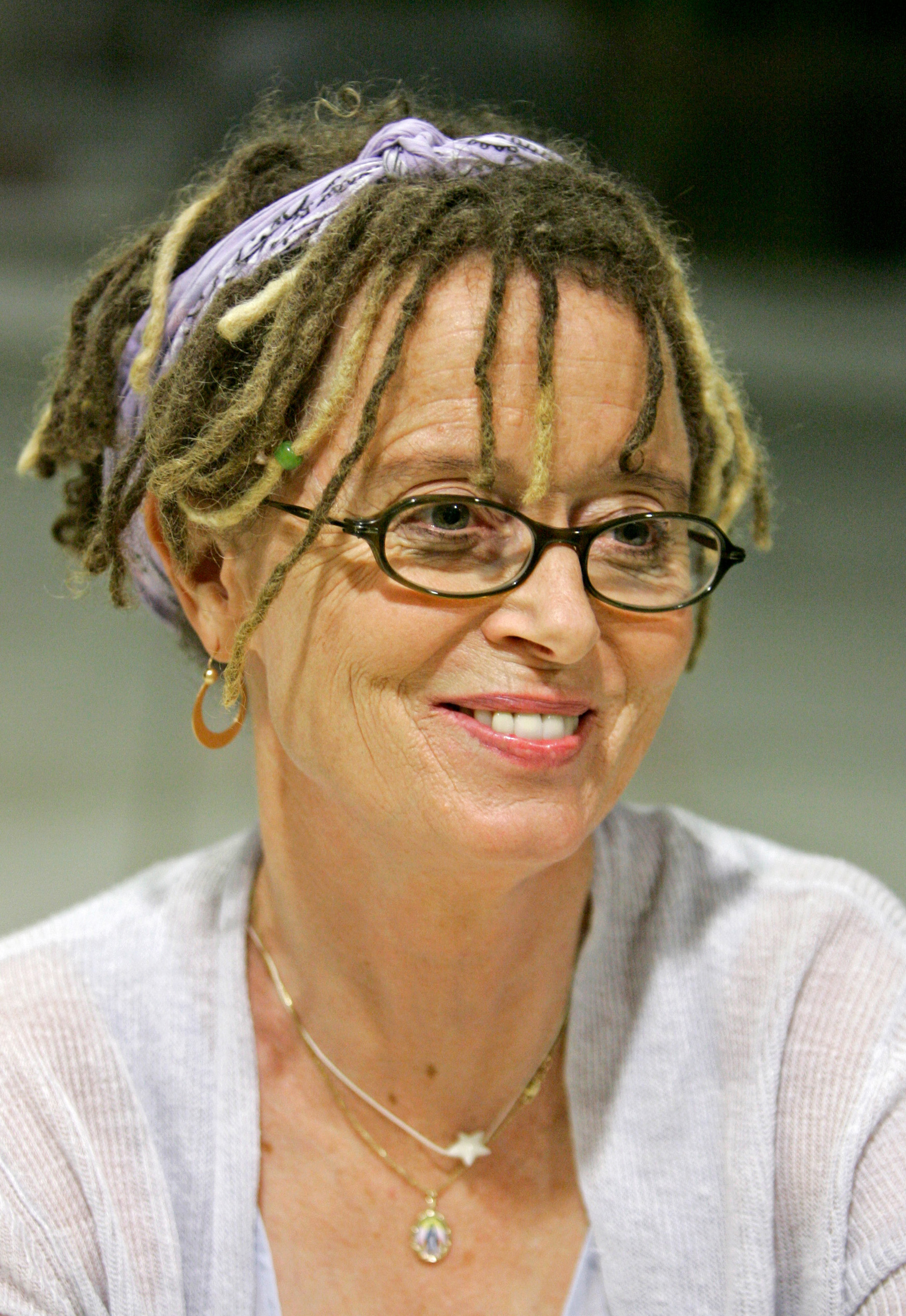
You know Anne Lamott,  yes? She’s that crazy aunt you always wanted to spend your summers with, but your mom was afraid you’d like her way too much and never want to come home.

So you snuck over to her house and tried to act fly-on-the-wall-ish while she regaled her coke and jack days, but oh! me, no, I’m not eavesdropping, I’m staring at this huge zit that is a product of me being thirteen and awkward and she makes you feel so cool and hip about that too, like your face was designed for pimples.

Yes, well, I finally read the last (although one of her first) of her books: Operating Instructions. In the memoir of the first year of her son’s life, her early voice is discernable: “Nowadays I go around being pregnant with the same constancy and lack of surprise with which I go around being aware that I have teeth. But a few times a day, the information actually causes me to gasp–how on earth did I come to be in this condition? Well, I have a few suspicions.”

I sent this book to two new mothers, and then read it for myself, not to scare me, but to soothe me: Could I be the only one thinking this motherhood thing could not possibly be the cake and cookies and party hats women pretend it is. Don’t they freak out? Don’t women want to lie in repose and wail themselves, sucking their toes (if they could reach, due to that damn episiotomy)? Don’t women want to drink copious amounts of vodka, but aren’t allowed to cause they’re nursing? Don’t they ever want to scream to their husband that changing two diapers and picking the baby up several times a night does not equate to having chaffed nipples and a lifetime of saggy vaginas? (Cause really, who’s gonna do Kegels while dropping Jenny off at soccer practice or scrubbing the casserole dish?)

Sigh. Anne Lamott says this. Her candid honesty about mothering makes me want to cry for the lonely work women frequently do to raise a child. And it makes me want to double up on birth control. Nevertheless, Lamott, as always, elicits gut-wrenching laughs and leaves me pondering.

Funny how a writer who writes about a baby so strikes a woman with none. How a writer who writes about faith so moves a woman with none. She’s magical in that way: humble and confused and just as effed up as the rest of us, grappling for  hope, understanding and sleep. And yet, she makes you feel human. Real. And that’s the thing about Anne (I’ll call her by her first name, cause I imagine having coffee with her on a regular basis) her honesty allows us to let down our own guard, to be honest, if even for a fleeting moment, with ourselves. If only till we shut the book.

Next up on the reading list: The Bitch in the House and The China Study

What’s on your nightstand?

Wild Mustard II

Today, when all else failed: logic, time, plans, I realized I still had control over my goals. Today, damn it, despite all that was chaos, I could make two things happen. One involved a tredmill. Anyone who knows me is aware of my hatred of the machine, but I had to do it to execute my goal. And you know what? Done! Accomplished! So now onto something else I can control. Wild Mustard, I never thought I’d say this to you, but you saved me today.

Need to catch up? Check this out.

Instead, I was on the next flight to Costa Rica. Eight years, and I would finally bring my parents back to “our beach.”

“Got your mail,” I heard Pete shout from under my window. I looked down to see the top of his Chargers hat and a fan of mail waving in the July heat. I ran down to greet him. Pete. Pete would help me breathe. His specialty was finding the air in the room. Usually I would have hated the parade of people, but today, I needed as many distractions as I could find.

“Did I win Publisher’s this time?” I asked, kissing his bronzed nose, inhaling the scent of stain. He’d just finished a deck for a house in ritzy Rancho Santa Fe; not the kind of small job he normally took, but it paid well and future work promised. He plopped the mail on the kitchen counter.

“Now why, little lady,” he drew “little lady” out like Rhett Butler, “would you need to win Publisher’s? Money can’t buy you love, you know.” He winked and grinned, revealing his chipped-tooth smile.

And there it was, tossed, inconspicuously in the heap of grocery ads. I knew what it was the second I saw the slanted block lettering. Return address: Donna Henty, California State Correctional Facility. Aunt Karen’s hand penning the forwarding address from her Santa Barbara home. I braced myself against the counter. The cool tile pressed into my palm. My fingertips turned white where they dug into the hard slab.

But Karen had just been here. Why hadn’t she said something? Why would she send it the day—the day—before I would undertake the most difficult thing I’d ever had to do? Couldn’t she have just handed it to me when she was here? Give it to me like a normal, caring mother figure instead of sending it—without a single word—in the mail?

I plucked the envelope from the stack and spun on my heels, let out a heavy sigh. “Shit.” Outside, across Mission Bay, the sun melted butter-like on the horizon.

“What, no Publishers?” Pete joked. He’d taken off his hat and ran his fingers through his self-proclaimed receding hairline. “You know, Liv, ‘If everyone demanded peace instead of another television set, then there’d be peace.’” He smirked, raised his eyebrow. “Lennon. Your favorite.”

“Donna.” I held the envelope up like a court document. “My absolute effing nightmare. The day before I leave and I get one of her fucking letters.” I crumpled onto the bar stool. “I need a beer. Or tequila. Do I have tequila?” I pointed to the cupboard to the right of Pete.

He didn’t move. “Just forget about it. Can you do that? Forget about it until you come home?”

“Forget about it? How can I forget about it when she sends this crap to me? Why can’t she just leave me alone? It’s like…it’s like as if killing my parents wasn’t enough, she has to remind me every year. Every fucking year!” I cupped my face in my hands. I felt my cheeks heat up. “Why can’t she just rot away in her jail cell?”

Pete came around the counter, rubbed circles on my back. I could feel the calluses on his hand through my tank top.

“Tequila. Do I have any?”

He pulled his hand off my back and went to the cupboard, reluctantly poured me a glass, no ice. I think he was afraid of what I’d do if he didn’t. Sat it on the countertop in front of me. I avoided his eyes as I picked it up, threw it back. The gold liquid bit my tongue, burned my throat.

***

In the middle of the night, after four hours of tangle-in-the-sheets restless sleep, I tiptoed downstairs, my bare feet shuffling across the hardwood. The microwave read 3:15 a.m. I pinched the letter from the stack of junk mail, which I had planned on tossing in the morning, and sequestered myself in the bathroom.

I sat on the cold toilet, tied and retied my yellow bathrobe. Placed the letter in my lap. The envelope was crisp and white and sterile. Began tearing it in half. Stopped myself. Unwound the entire roll of toilet paper one square at a time, the white sheets ribboning at my feet. Slid my index finger in the open pocket where the envelope wasn’t sealed. Pulled out an ear of the letter. Threw a wad of TP at the back of the closed bathroom door. It hit noiselessly and floated to the floor. The light above me hummed and a siren wailed blocks away. I tapped my finger against the corner of the letter folded neatly inside. I think I half expected to prick my finger, in some demented blood sister kind of way, and be forever linked with that woman sitting in a jail cell. As if I wasn’t already. As if my parents’ blood wasn’t enough.

And then, before I could think twice about it, I pulled the white paper from its home, unfolded it, scanned the letter, balled it up, chucked it into the sink. What was I thinking? Read her letter? Stupid, stupid. I rubbed my eyes; realized I’d forgotten to wash off my mascara. And my long red hair was still braided. Had I gotten ready for bed at all? My cheekbones and butterfly wings of freckles burned with the thought of what I had wanted to—had been about to do—read the letter. Ha! Read her letter. Why did she bother still writing them, anyway? She was just as dead as my parents.

I stood up and ran the hot water. I wanted it scalding hot. I turned the bar of soap over in my hands once, twice, seven, thirteen times and lowered my sudsy palms under the boiling water. “Ah! Shit!” They were bright red, flushed with what they’d done, what they’d tried to do. That would teach them.

Pete rapped on the door. “Liv?”

“Yeah?” I slouched back down on the toilet seat, my bathrobe bunching under my butt.

He cracked open the door, leaned his large frame into the slant of light.

“Yeah?” I said again, defeated, holding my tomato red hands in each other.

He moved into the doorway, rested against it, arms the color of cinnamon folded across his chest like human origami. His almond eyes, soft, and one eyebrow arched. His crooked, chipped tooth smile quickly faded when he saw the white envelope on the floor. “Oh, you didn’t?” He stepped toward me, put his hand on my cheek. Warm. Like Dad. “Want me to read it to you? Or toss it? I’ve got matches in the truck and we could start a bonfire.”

“I almost read it. The last time I read one—I was fifteen. The first one she sent. I couldn’t get out of bed for two days.” I brought his hand from my face, held it in my lap, examining the callouses, the hangnails, the cuticles that covered the moon of his nails. Those hands. Varnish or stain along the U of his nail bed. I curled his fingers up like a sushi roll, unfurled them one by one. The bathroom light was too bright for this time of night, morning, really, for this kind of emotional upheaval. I wanted black. Catacomb black. Night-mask black. Moonless black. A lack of light to hide my fear, my uncertainty, my unexplainable desire to read what this woman had to say.

“I hate myself for wanting to read it. I don’t care what she has to say. So why do I want to read it?” I uncurled the last of Pete’s fingers, his pinky, and looked into his hazel eyes. I loved how everything about the man in front of me was a riff on the color brown.

“You want Confucius, John Lennon, Jodi Riggins or Pete Curtis?” He had an uncanny ability to channel eastern philosophers, seventies singers and best friends on demand.

“Pete Curtis?” It turned out as a question, I guess, because his usually pensive and thoughtful responses flooded rooms with truth. With bite. Honest bite. The kind you know only a best friend would utter, the kind you dare not even utter to yourself for fear that the truth, out loud, would catalyze it into reality, though it already was. In the beginning of our relationship, before asking his honest opinion, we’d assume our roles of Tom Cruise and Jack Nicholson: You want the truth? Yes I want the truth. You can’t handle the truth. I’d beg for his candor and Pete would curl around me till the sting of what he’d said wore off, until I was ready to figure out a way to tackle the wolf outside my door.

“She’s one of the last connections to your parents. Besides the ashes, and all. Once those are gone…” The only time Pete ever sounded unsure about anything was when he discussed my parents. What does a boyfriend, who saw his parents whenever he wanted, say to a girl whose parents were murdered when she was fifteen? What does anyone ever say that’s right? That brings back charred memories? That washes away pangs of guilt? Were there such things as “comforting words,” or did some schmuck make that up to sell books?

I never held it against him though. He always tried. Offered comfort in his arms and in the gaze of his eyes, just like my father. I’d never told Pete about my family’s winking words, but sometimes, Pete glanced over at me and closed his eye ever so slightly, the kind of soft lid close Dad used to mean You might not be able to see me, but I’ll be here. It gave me the chills when Pete did it, and I never had the guts to ask if he really ways winking or if he had a wood chip in his eye. I could ask him about his words though, and he could flood me with those, even if they stung. Besides, words were just words, right? Isn’t that what Mom had always said, that “the reader, not the writer, bequeathed the power of the word”?

He shifted his weight from one leg to the other from his squatting position in front of the toilet. “And you can’t drink her away.”

I averted his eyes. The bathroom light needed a dimmer. It was too effing bright in here.

“Liv, did you hear me? Drinking her out of your mind does not mean she goes away.” He cupped my chin with his fingertips. “I know it hurts like a bitch, but you cannot spend your whole life running away from her.”

And there it was. The Truth. I couldn’t look at him. And I couldn’t breathe.

“Read it then,” I whispered. The familiar colony of bees awakened in the pit of my stomach, started their buzzing.

“No, that’s not what I meant. You don’t have to do this now, you just can’t—”

“No, let’s see what bullshit I’ve been missing all these years. Let’s see exactly what I’ve been running away from, Pete.” The last bit came out hard, mocking. “Read it.” I locked eyes with him. I would not cry. I would not freaking cry. Wild buzzing in my stomach.

“Baby—?”

“Read it.”

Pete took the letter from the sink, unballed it, smoothed out the lined page.

“Olivia,” he read. Looked into my green eyes. “You sure about this? You leave tomorrow.”

“Read it.”

A Letter & Running With Heather, Volume IV

Sun Over the Sound by Che Mondo Bello


Dear Washington Sun,

Pulleaseh! You’ve got to stop flashing us up here! It makes me boast so boldly about you that people may turn Egyptian on me. Seriously.

For example, on your third day (in a row, might I add–wherever did you learn how to do that?) Heather and I (yes, I know, Heather doesn’t live in our state, but she lives in my heart, alright?) couldn’t possibly hack the four walls of the gym while you were out baring yourself to the valley. We decided to hightail to the top of our local peak, Little Mountain.

The trail was muddy (I blame you for this, since you had been absent for so long, but really, I don’t mind mud) and clodded our shoes’ treads. We climbed up, up and up the narrow path, the tall pines throwing their five o’clock shadow about. (I don’t think you ever make an appearance on this portion of the trail. Maybe early morning, just after your coffee? I know, those trees have a nasty easement policy.) At the end of the first climb, Heather and I turned on the new Shakira we downloaded, and picked up the pace, darting across the one flat part of the trail. Though you were out, you must not have been too strong, as glints of ice glazed the leaves and rocks.

Heather wound her way up the switchbacks first, and I knew we thought the same thing: how the grade was just right, how they are long and loopy like a school girl’s curls, how they almost pull you up them, tease you higher and higher, without ever really knowing.

Close to the top of the mountain, I cued the new Usher track, “More,” to play at least a gazillion times:

Watch me as I dance under the spotlight-
Listen to the people screaming out more and more,
‘Coz I create the feeling that keep ’em coming back,
Yeah, I create the feeling that keep ’em coming back,
So captivating when I get it on the floor.

Know y’all been patiently waiting, I know you need me, I can feel it,
I’m a beast, I’m an animal, I’m that monster in the mirror,
The headliner, finisher, I’m the closer, winner.
Best when under pressure one second’s left I show up.

If you really want more, scream it out louder,
If you’re on the floor, bring out the fire,
And light it up, take it up higher,
Gonna push it to the limit, give it more.

Get up both your hands, I’m in the zone, tight!
Put ’em in the air, if you want more (and) more,
Cos I can’t wait to feel it.
I go hard, can’t stop,
But if I stop then just know that imma bring it back,
Never quittin’ on believin’ that.

And then Heather and I found ourselves at the top, gazing across Interstate 5, across the Puget Sound, across the San Juan Islands and more sound, to the jagged, snow-capped Olympics. And there you were, Sun: you were the beast, an animal, that monster in the mirror, the headliner, finisher, the closer, winner. We could see all the way to Rainer, and damn it, I wanted MORE.

We wanted to make it down before you sank into the Pacific, and, renewed by the sights you revealed, we jammed like cheetahs down the switchbacks. I found myself following Usher’s directives: “Get up both your hands, I’m in the zone, tight! Put ’em in the air, if you want more and more.” I feared someone other than Heather would see me charging downhill, my fist pumping wildly in the air, my skin freshly saturated with vitamin D. God, Sun, you turn us into raving lunatics.

So, dear Sun, it was nice seeing you while you lasted. Thanks for making Running With Heather special this week. I’ve got total faith in your re-emergence. Just like Britany, all stars need time to recoup and rehab. After all, “But if I stop then just know that imma bring it back, Never quittin’ on believin’ that.” (And yes, Sun, I’ll disregard Usher’s inaccurate use of a preposition on your behalf. This once.)

Hope to see you soon,

Linsey

Wild Mustard–Chapter I

Read the prologue here!


San Diego—2008

“Can’t believe you’re finally doing this.” Aunt Karen squeezed my shoulders, then ducked in for a hug. Her red hair tickled my face. If I closed my eyes and breathed in her Clinique Happy, or opened them and lost myself in her curls, I could fool myself into thinking it was Mom.

Karen had driven down from Santa Barbara, the same beach-town where I grew up. Said she wanted to keep an eye on Mom’s hydrangeas down the street. But I knew she couldn’t bear to let her older sister disappear into thin air, so she held onto Mom’s neighborhood, travel articles, and photo albums at breath’s length. I don’t know how she did it. Since the day Mom and Dad had died, I was looking to move, to run, to row away from the walled-in memories. And Karen looked so much like Mom that for years after her death, people called, “Joanne!” when Karen’s freckled, carrot-top head cruised past. I guess since she put on a brave face for me in the years following the shooting, she never grieved herself. Karen was the one at my hospital bedside when I came to and screamed for my parents. The one who let me sleep on their unwashed sheets for three months, who let me escape the chatter of gossip by sending me to St. Mary’s. She was the one who watched me bungee through the loss of my parents.

“I know. I can’t believe it either.” She had come to say goodbye to the three of us before we left on our final family journey. We walked upstairs in my Mission Beach condo to my bedroom, where I had half-packed. Jeans and tank tops, socks and underwear lay tossed about the room as if a tornado had whipped through.

Karen surveyed the disaster and issued a barely audible laugh. “Oh my. I don’t know how you do it.” She handed over a plastic bag—“I got you some things”—and sat in the green wingback chair, toyed with her crucifix necklace.

I peered into the bag: travel-sized detergent, electrical adaptors, Shout! wipes, a sewing kit and a roll of duct tape—“The guy at the store said it works for everything,” she said, shrugging her shoulders as I pulled out the grey wheel. Unlike Mom, Dad or me, Karen had never lived out of a four thousand cubic-inch backpack for three months.

I held up my yellow and black pack and pointed to the pile on the bed. “All of that. In this.” San Diego’s July sun streamed though the sliding glass, spotlighting the heap.

“Oh dear,” Karen said, crossing her arms, her crucifix now hidden in a fold of her purple shirt. “Okay, forget the detergent. But do wash your clothes at some point.”

“Yes, mother.” I smiled at her. She would mother me for the rest of my life, I knew.

Together we pillaged through the mountain of “must-haves” on my bed and pared them down to the essentials. My pack weighed a ton. “And those?” Karen pointed to the two copper urns that sat on my dresser.

“I’m gonna to carry them on. Gonna take ‘em out of the container. What do you think?”

She walked over to the twin vases, put her small hand out to touch them, hesitated, and pulled her hand back to her hip. “That would make them easier to carry. But wrap them in something, okay?” She sat on the bed. “Do you want help with them?” she asked, still staring at the curved containers.

“No. I’ll do it in the morning.” I had, in fact, washed the dishes, folded my laundry, even scrubbed my toilet, all in an attempt to postpone the inevitable: packing Mom and Dad. I had wanted to zip them away before Karen arrived, but I found myself scrubbing the kitchen floor instead.

“Okay, well…” she stood from the bed, walked back to the urns and quickly, maybe before she could think twice about it, bent down and kissed each of them on the wide bulge in the middle. “Traveling mercies,” she whispered the family send-off.

***

“T minus twenty-four hours.” My best friend Jodi raised her wine glass. The liquid swirled around as she held up the numbers two and four with her stubby, manicured fingers. Thank god for her—she was usually there when I didn’t want to drink the bottle by myself, though that wasn’t often. Since high school, we had shared at least a cave’s worth of wine and tequila in an effort to forget lingering thoughts: for me, dead parents, feelings of “survivor’s guilt” (such a stupid name), and for her, asshole fathers, jerk-nut boyfriends, penis-wrinkle men who didn’t call the morning after. The names got worse as the bottles grew lighter.  He was the one, she’d claim. It’s wasn’t sex, Liv, we made love. He’s probably just busy at work or something. That girl had as many excuses for men who treated her like shit as she did track suits.

I had called Jo over when I found myself frozen in my room. Karen had just left, and I had started to pick a sweater up off the floor, and then caught the glint of the urns. It wasn’t until my back started to hurt that I realized I’d been leaned over, mid pick-up, for some time. Just staring. Like I hadn’t seen them before. Or wouldn’t again. I had called Jo in a panic: “I need you here. I need you to babble. Distract me. I’m leaving tomorrow and I don’t know if I can do this.”

“Of course you can do this. Of course I’ll come over. Isn’t Pete there?” she’d asked. But since my boyfriend, Pete wouldn’t be over for another hour and a half, Jodi had walked over, let herself in, found me still staring at the urns in my room, opened a new bottle of wine, pulled out her ponytail, unclipped her iPod from the waist of her magenta tracksuit and poured two sloshing glasses. She took a long swig of wine and unclipped her pedometer from the other side of her pants. “Ten-thousand-fourteen steps.” That girl was always counting something.

She brought the bottle over to the sofa and told me the mundane details of her day: hot guy in accounting definitely checking her out again, those shoes at Nordies finally on sale, some cutie at Sushi on the Rocks was this close—she pinched her pointer finger and thumb together—to buying her a drink, and day five of Jenny Craig, round four, wasn’t nearly as hard as days two or three.

She stopped spewing just long enough to take a gulp of syrah and stare into my green eyes. She shook her head; “Eeee! Daughter Makes Good on Parents’ Wishes…oh! It makes me want to cry.” She grinned and clasped her hands together like a cheerleader after a touchdown.

I topped up my glass. “Um, you’re supposed to be distracting me, Jo. How long’s this Xanax take to kick in?”

“You know what I say. If it hasn’t kicked in in twenty, a couple shots of old Jim oughta do the trick.” She glanced at the clock. “Pete will be here, huh? I’m gonna go. Gotta do my nails before hot guy in accounting sees I’ve been biting the crap out of them. It’s his damn fault! If he wasn’t so hot I wouldn’t be so nervous when I stare at him from my cube and I wouldn’t bite my nails like some kind of freak. Call me if you need to talk, or cry or freak the hell out.”

We walked to the door, and I thought I could feel my heart rate slow down for a second. The air in the room seemed breathable. The top of Jo’s head fit snuggly under my chin as we hugged, and I could smell saltwater on her brown locks. I hated all this hugging emotional bullshit. She clipped her pedometer back on and walked out onto the sun-splashed bay. I felt that catch in the back of my throat—the Xanax wasn’t working; I yawned to try to catch my breath and retreated to the last bit of wine.

I hope I didn’t freak the hell out. Would I cry? God I hope I wouldn’t cry. Maybe I’d feel nothing. Wouldn’t that be awesome? Just go, do my job, come home and head back to the travel agency, hit the bay for a row, have Pete make me lasagna. Jo was right; this thing was eight years in the making, and in less than twenty-four hours, I’d finally be doing it.

Eight years, and I was finally going to make good on my parents wish. I envisioned the priest who gave my parents’ funeral service almost a decade earlier. He had approached me in his long black vestment, two copper urns in hand. “Olivia, you’ve been really brave.” He had looked too young to be a priest and I was sure it was against priest rules to have a goatee. He had exhaled and glanced at Aunt Karen who mindlessly toyed with her crucifix necklace. “Your Aunt and I think you are the only one who can carry out your parents’ last wish.”

I looked up at him, my brow furrowed. Didn’t he know I was only fifteen and didn’t even have my driver’s license?

“In their will, your parents requested that their ashes be scattered on a beach in Costa Rica. They said you would know how to get there. These are yours, and when you’re ready, you travel with them one last time.” He reached his arms out, presenting the urns to me like Oscars. I stared into the dark cave created by his long, loose sleeve.

“I don’t know what you’re talking about,” I had snapped, and took off running, stumbling on the wet grass. Of course, I knew the beach he meant, and I’m sure a part of me understood what I was being asked to do. But just then, I had to convince myself one last time that my parents, luggage and all, were on the next flight home.

Keg-Stand on the Sun

The earth has received the embrace of the sun and we shall see the results of that love.
–Sitting Bull

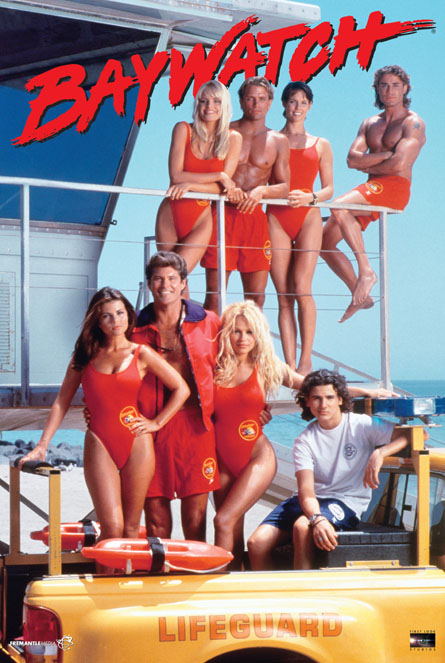
I used to tan at Zuma Beach. You know it: it’s where Mitch, C.J., Shauni and Hobi jogged across the sand in all too tight or high cut red suits.

If I wasn’t at Zuma catching the rays, I was poolside in our backyard, or in a tube top–lest I get tan lines–on my horse. My sun worship has caused sun poisoning, cancerous moles and an array of freckles.

I’ll not even discuss the years I spent mostly undressed except for plastic goggles over my eyes, prone in a tanning bed. Foolish, silly girl.

Despite this addiction, the lack of sun here in Washington has not sparked Seasonal Affective Disorder. I’ve taken N’s Danish roots and attempted to create hygge in my house, lighting candles and cozying up the place where I hunker when it’s dark and pissing rain. And I came to the conclusion that for 30 years, I had been mislead: my natural skin tone is not almond. That was my tan.

But today–oh glorious day–the sun broke across the sky. Today I wore sunglasses for the first time in four months. Today I thought about putting on sunblock. Today I strategically placed myself in the sluice of sun when practicing shavasana. I never. wanted. to. move. I felt like Sissy, the cat at the barn, seeking out the light and lounging endlessly in it. I could feel the vitamin D permeate my skin, zip around in my brain, energize my every cell.

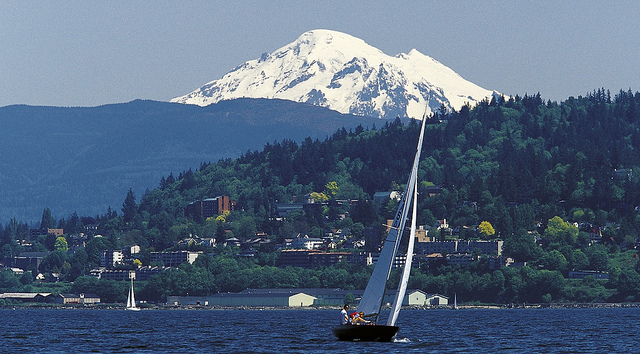
Bellingham Bay

Bellingham Bay crawled with the sun seekers. We were all bundled up–the wind was damn cold–but the sun! She was resplendent, radiant. She does this thing, when you see her, where she throws herself on mountain peaks, which are coated in snow, and they glisten together, like the lights off the sequins at a Madonna show. The sun casts rays through water, then bounces off the surface and throws a deep shadow against the trunk of a tree. She makes the world sharp; she makes people smile and giggle. It’s like we’re drunk here on the sun–a honey mead that we’d forgotten about, found again and chugged down. I want to do a keg-stand on the sun.

It wasn’t like this in California. If Zuma was grey or even overcast, we were pissed. How dare this marine layer edge in here! Which reminds me of a 60 Minutes segment, where they declared Denmark as the happiest nation in the world. They have low expectations, it was partially concluded, so when things are above average, they are blissful. Likewise, up here, we expect the gloom. But when it gets pushed out, when the sun wins the great arm wrestle match in the sky, well then, we are elated.

Wild Mustard-Prologue

Dear god. Posting what I’m about to post makes me want to vomit a bit. All around me I keep seeing women who have quit/are quitting their jobs (quitting! ha! take that, unemployment rate!) to immerse themselves in their craft. No, no. Don’t worry, N. That’s not anywhere in my near future. But…

What am I doing with my craft? Nothing? That’s right. Nothing. Drinking Apricot beer, eating chocolate ice cream and reading other peoples’ writing is not helping my story take shape. And just today, I heard the most brilliant news piece that I would love to turn into a story. But first, LK, first. Wild Mustard. I like how I italicized that, like it was published and all.

Here goes, kids. Biting the effing bullet.

Mustard by Steven Mills

Prologue

Costa Rica, 1990

For their twentieth wedding anniversary, Mom, Dad and I retraced a route they had taken ten years earlier. We traveled up Costa Rica’s Caribbean coast, from Montecillo to what is now Torteguero, encountering more howler monkeys and crocs than electricity or tourists. I fumbled around with my new fourth-grade Spanish at road-side fruit stands, with taxi drivers and in the markets.

In the first of five weeks, I lost one of my bathing suits, so the entire summer, I wore my turquoise–Dad’s eyes sparkly turquoise–suit. Mom and Dad had other suits, but I, always in the blue one, grinned like a monkey, looking straight into the camera. Only thing that changed was my tan.

One afternoon we made our way to a sleepy town called Bataan. A taxi driver took the three of us down a road dimpled with potholes. Dad’s head hit the ceiling of the little red four-door, but he didn’t seem to mind. We were dropped off at the edge of a mossy river. “What are we doing, Mom?” I asked.

“It’s an adventure,” she winked back.

A dark-skinned man waited in a boat at the water’s edge. He and my mother exchanged kisses and “Que tals.”

“Miguel, this is my daughter, Olivia,” my mom said to the local, the Tico.

“Oh, you the one who steal the red,” he said in broken English, tousling my hair and grinning at my mother’s new bottle brown. With our packs loaded in the shallow boat, we navigated the canals and plowed through debris from falling trees. Thirty minutes later, the ocean emerged before us. We took a left, headed up a channel just broad enough for our narrow skiff and puttered up the jungle arteries. Howler monkeys screamed in the canopy.

“We’re here!” Mom declared as the boat slowed to a crawl. I looked in both directions, squinting for a sign of life. Just us. The boat chugged away. “Here” consisted of a muddy bank and an overgrown path leading up a hill to the beach.

The sand sloped and waves carved embankments as far as I could see down the coast. Behind us, palm trees danced high in the air; in front, tourmaline water crashed in cacophony. The horizon hung as far away as my backpack at home in Santa Barbara.

The bangles on Mom’s arm wind-chimed as she spread out a blanket. Meanwhile, Dad, bare-chested, except for the patch of hair running up his chest, scampered around collecting firewood and pitching our tent. I loved watching my parents set themselves up in a new landscape. Though we always traveled lightly, Dad seemed to have just the tool to crack a coconut, Mom, just the elixir for a tumultuous stomach. That day on the beach was no different. Mom produced cheese, crackers and champagne. My eyes grew wide. A celebration? For what? It was moment like this, when my parents produced a home from a deserted beach and a fiesta from a backpack, that I also thought they could fly through treetops and outfox death.

Mom poured me a splash of bubbly. Then she and Dad told me their “most important story.” Over the next five years, I would hear this tale as some hear dinnertime prayer—religiously and without pause. But on this evening in Costa Rica, with the sun fading like a dye, I heard the story of my conception for the first time.

According to Mom, she and Dad watched the last colors of the day wane from the sky on this very beach ten years earlier. He was on assignment for the London-Herald, where he had secured the post as the travel editor; she had sold a commissioned story to Outside magazine. At thirty-two and four, they gallivanted around the world, uncovering stones and stories, exploring lives and legacies. They had no mortgage, no health insurance, just brimming passports, three-page writing resumes and a ten-year-old Volvo without a bumper. That afternoon, Mom had felt something tickle her thigh. She scratched and returned her gaze to the horizon. Again, more tickling. She examined the sand to her left. A black nubby object fought its’ way out of the sand. She called to Dad. Flippers emerged. More pointed heads. Turtles surfaced.

Dad impersonated Mom’s shriek. “I wasn’t scared,” she tried to convince us.  In a matter of minutes, my parents had watched twenty-four baby turtles clamor from the depths of the sand and head toward the white caps of the ocean.

Mom continued the show. “Was that real, John?” she re-inacted, for my sake. She paused dramatically and then walked into the Caribbean waters, just as she had that night, sat cross-legged in the salty water and let the waves play around her.

“So dramatic,” Dad winked at me, then trotted off to Mom.

I giggled so hard that I slumped back into the sand, spilling a bit of my taboo champagne. My parents were such thespians.

Mom stood up and returned to Dad, her clothes wet with the lap of the sea and continued the decade-old scene: “What will we send out into the ocean?”

“Maybe the sand you have on your butt.”

“No. What are we going to leave behind?” They re-told these lines with the same drama each time—she clutching his arms, he staring confusedly into her face, thinking it was a joke. “We need turtles,” Mom pleaded.

“Land or sea turtles? In a cage or a pond?”

She slapped his chest. “Seriously. Our writing will always be…ugh…but this—” she pointed to the turtle track with her toe, “this is real.” She turned and winked at me, a this is important wink, which was different than Dad’s earlier Your mom’s nuts, but don’t you worry, kid, we’ll make it wink. I could read their whole squint-based language, even when I wasn’t supposed to.

My father looked at my mother. I can imagine his blue eyes searching my mother’s soul, one of those tangible gazes—the kind of look that speaks, that says, I get you. I’m listening to you. My father had a way of loving quietly, without words: the dance of fingertips on an arm, the clasp of an oven-warm hand, a series of fluttering lashes that spoke despite an unmoving mouth.

And then they made love.

So they said. I squirmed in the sand. At ten years old, talk about baby making was, as I told my mother, gross. She threw her head back and let loose her roar of a laugh. Then she came to cradle me in her long pale arms, which I have always thought were rays of the sun.

Upon finding out she was pregnant, my mother audibly thanked a God she had not believed in for decades. “Those turtles…something about them,” she’d told all of her disbelieving family and friends, and me, whenever she told the story. “All that creating and protecting and nurturing garbage–it’s true.” So I settled inside her womb for nine months; my seed, planted deep in that Costa Rican sand, brushed over by a steady stream of salty waves.